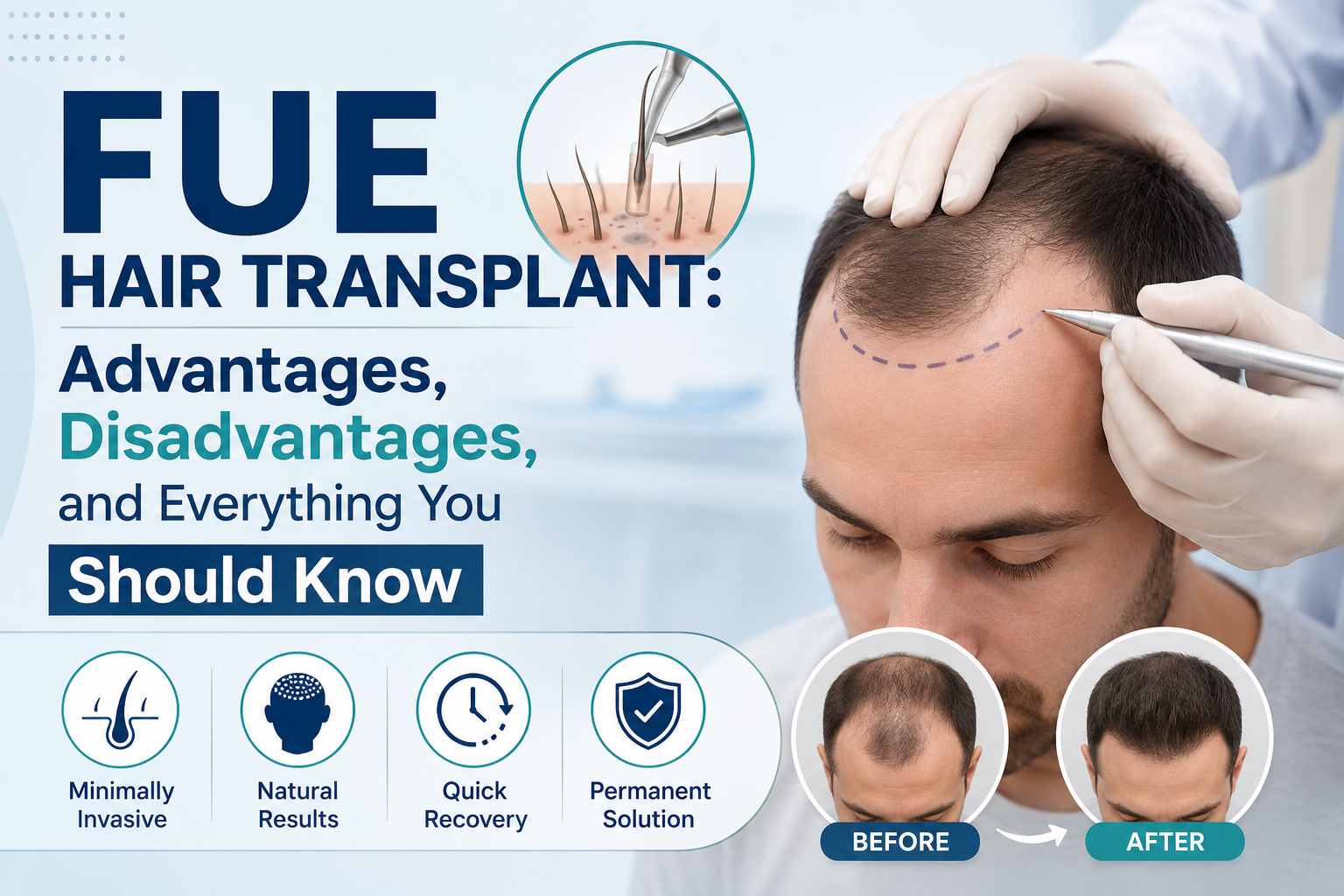
Hair loss can really mess with confidence, self-image, and even how you interact day-to-day with people. And the good news is that hair restoration keeps improving, so you can often get back natural-looking hair without going super invasive. One of the most talked-about and effective options now is Follicular Unit Extraction, FUE for short. People like it because it’s precise, the recovery is typically faster, and the final look tends to be very neat with little to no obvious scarring.
If this is your first time thinking about a hair restoration procedure, this walkthrough should make things clearer, from the way FUE works to benefits, recovery, and what to expect along the way. Also, picking a skilled FUE Hair Transplant Clinic in Delhi is important, because it supports safer care, natural results, and better long-term satisfaction.
What Is FUE Hair Transplant?
Follicular Unit Extraction (FUE) is an advanced hair transplant method where individual hair follicles are taken from the donor zone, usually the back or sides of the scalp, and then placed into thinning or balding areas.
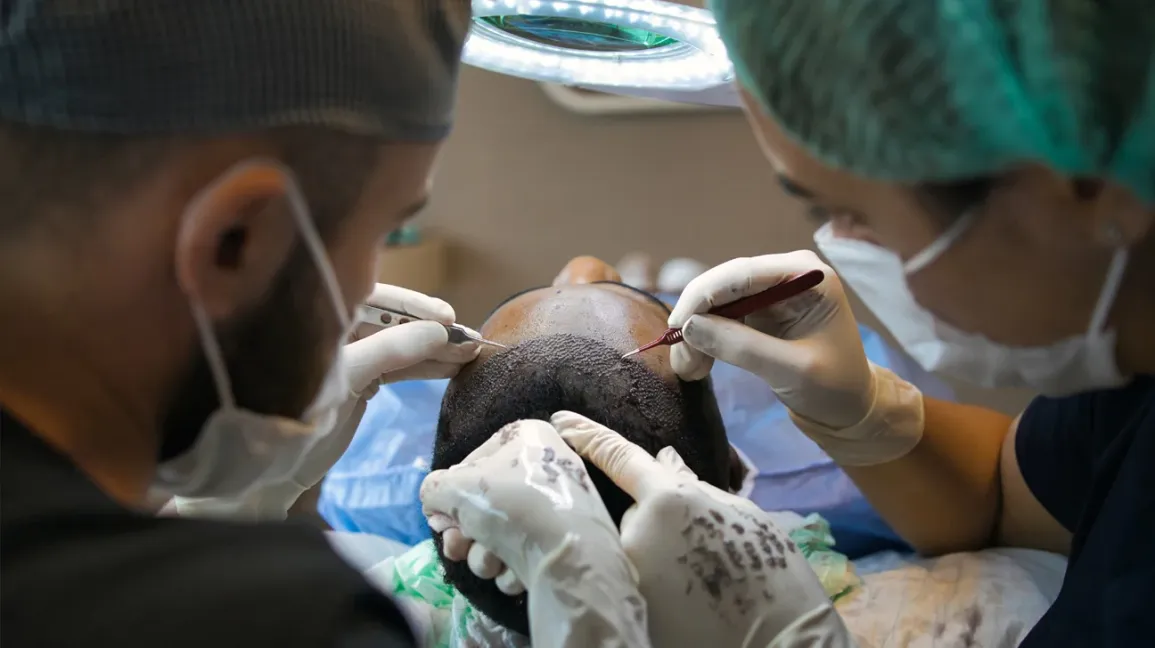
Instead of traditional strip harvesting, which removes a strip of skin, FUE uses special micro-punch tools. Each follicular unit is collected one by one, creating very small extraction openings that tend to close on their own, with minimal scarring. It’s kind of like taking tiny building blocks rather than cutting out a larger piece.
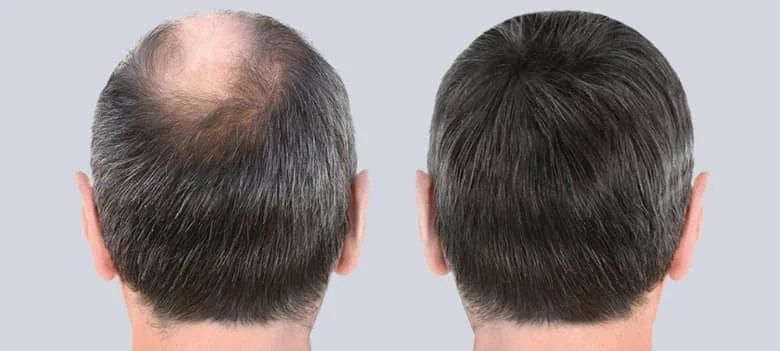
After transplantation, those follicles usually keep growing in a natural pattern. Over time, the hair blends in with your current density and texture, so the results look integrated and not “pluggy” or artificial.
Who Is an Ideal Candidate for FUE?
FUE hair transplantation can work well for both men and women with different causes of hair thinning. You might be a good fit if you:
- Have male or female pattern baldness.
- Have enough healthy donor hair available.
- Prefer a minimally invasive procedure.
- Want little to no visible scars.
- Have realistic expectations about the outcome.
- Are generally in good health.
A consultation at a reputable Hair Transplant Clinic in Delhi is where the team reviews your hair loss type, scalp condition, and donor capacity, so they can guide you on whether FUE is the right route for you or if a different plan would make more sense.
Benefits of FUE Hair Transplant
FUE has turned into one of the most preferred methods for restoring hair, partly because it offers a bunch of advantages that feel “real world” rather than just theoretical. It tends to suit many different people, and that’s probably why it keeps showing up so often in clinics.
Natural-Looking Results
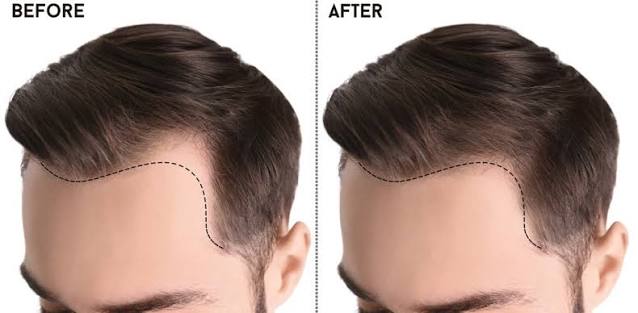
Each hair follicle is positioned based on the natural direction angle and density of your existing hair. So the final look ends up feeling cohesive, almost like it was always there. The overall blending is what most patients notice first, in a good way.
Minimal Scarring
Because individual follicles are removed, rather than taking out a longer strip of skin, there usually aren’t long linear scars. The tiny extraction dots or points heal quickly, and they often stay subtle, even if you wear your hair shorter.
Faster Recovery
Many people can go back to regular routines within just a few days. Compared to older transplant styles the healing period is typically quicker, even if you still need a bit of patience while things settle.
Less Discomfort
The whole procedure is done under local anesthesia, so it stays comfortable through the treatment. Afterward, any discomfort is generally mild, and it doesn’t last for too long.
Permanent Hair Growth
Transplanted follicles are usually resistant to the hormone linked to pattern baldness. Once they settle in, they keep growing naturally for years, which is why FUE is often seen as a long-term option.
Suitable for Various Hair Restoration Needs
Beyond scalp coverage, FUE can also support beard, moustache, eyebrow, and even certain scar correction situations. So it isn’t only for one single “type” of hair concern.
Step-by-Step FUE Hair Transplant Procedure
Knowing what happens next helps reduce anxiety, especially if you are doing this for the first time.
Step 1: Initial Consultation
Your specialist checks your hair loss pattern, scalp condition, donor area, and your medical history. Then a customized plan is made, based on how many grafts you actually need , not just a guess.
Step 2: Preparing the Donor Area
The donor zone is trimmed and cleaned, local anesthesia is then applied. The goal is maximum comfort while the procedure takes place.
Step 3: Follicle Extraction
With refined micro-punch tools, individual follicular units are carefully extracted, without upsetting the surrounding tissues. This part is handled slowly and intentionally, for the best
Recovery After FUE Hair Transplant
Recovery after an FUE hair transplant is usually pretty simple, but it depends on how closely people follow the post operative instructions, so yeah don’t ignore them.
First week
Mild redness, some swelling and small scabs around the transplanted follicles are common and they should fade within a few days. You also need to avoid scratching the scalp, and stick to the hair washing steps you were told, even if it feels a bit tedious at first.
Two to four weeks
During this stage some of the transplanted hairs might shed. This can look alarming, but it’s a normal part known as “shock loss” , it should not be treated like a problem.
Three to four months
You’ll start seeing new growth coming in gradually. At the start the strands may look a bit thin, then over time they tend to strengthen and thicken, so don’t judge too early.
Six to nine months
Hair density usually improves in a noticeable way, and the transplanted region starts blending more naturally with your existing hair, it’s like the difference becomes less obvious.
Twelve months
The final outcome becomes clear, with fuller, thicker, more natural looking hair growth. Some people keep seeing better results even after the one year mark, so patience really pays off.
Tips for Faster Recovery
Good aftercare supports healing, and it also helps maximize the transplant success.
- Sleep with your head raised, especially for the first few nights.
- Avoid intense or strenuous exercise for around two weeks.
- Keep your scalp protected from direct sunlight.
- Don’t smoke, and avoid alcohol during the early recovery phase.
- Take any prescribed medications exactly as directed.
- Attend every follow up appointment, no skipping.
- Use only doctor recommended shampoos and hair care products.
Why choose an experienced FUE Hair Transplant Clinic?
Hair transplant results rely on more than the method itself. Technique matters, but surgeon expertise does too, plus advanced equipment and careful planning. A well known FUE Hair Transplant Clinic in Delhi works on precise graft placement, natural hairline design, strong graft survival, and personalized treatment planning, all to help reach the best possible outcome.
Bella Soul Clinic combines modern technology with skilled professionals to deliver safe procedures and aesthetically pleasing, long-lasting results tailored to each patient's needs.